 GEO / AI Commerce
AI No Longer Just Recommends — It Sells: Agentic Commerce and How to Measure Brand Visibility
In recent years, visibility in assistants such as ChatGPT or Gemini has mostly been measured as mentions or recommendations: whether a brand appears in the answer and how it's described. In 2026, some platforms add another step: letting the user buy from within the conversation.
OpenAI published the Agentic Commerce Protocol for purchase flows in ChatGPT, including Instant Checkout, and Google introduced the Universal Commerce Protocol (UCP) to connect agents and merchants. Availability depends on country, platform and type of merchant, and changes often, so check the official documentation before planning. What these announcements show is a direction: part of the buying journey — search, comparison, cart — can happen inside a conversation.
If your brand isn't part of that conversation, some buyers may never consider it.
From Search Engine to Chat: One More Touchpoint
The traditional online buying journey included searching on Google, comparing options, visiting websites and buying. That journey still exists; AI assistants add another touchpoint.
A user might ask an assistant: "Recommend a smartphone for photography under $1,000" or "What's the best anti-aging cream for sensitive skin?" Instead of a list of links, they get a few specific options and, on surfaces with built-in checkout, the option to buy one.
Surveys suggest a growing share of consumers use AI chatbots for shopping research, though the figures vary with the sample, country and question asked. Check your own data — referral traffic from AI products, customer surveys — rather than rely on a single statistic.
Much of this process is hard to see. Your analytics don't record when ChatGPT mentions a competitor instead of you: there's no impression, click or session. You may only see the outcome, which makes measuring the answers themselves worthwhile.
What Is "Agentic Commerce" and Why Should You Care?
Agentic commerce describes a model where an AI agent searches, compares, recommends and helps complete purchases on behalf of the user, within a conversation.
How it works in practice:
- The user asks in natural language: "I need waterproof boots for under $200"
- The AI agent searches product catalogs and data feeds
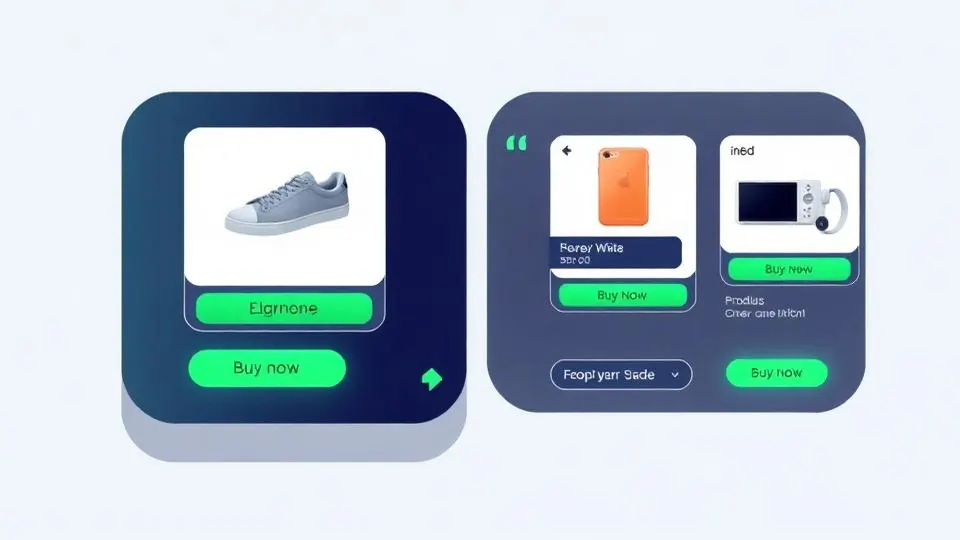
- It presents options with prices, reviews and, where supported, a buy button
- The user can complete the purchase without leaving the chat
OpenAI, Google and others are building this infrastructure now. For scale, McKinsey projected in January 2026 that agent-mediated global consumer commerce could reach $3–5 trillion by 2030 in a moderate-adoption scenario. It's a forecast under stated assumptions, not a measurement.
Where does your brand fit? If your product feeds, descriptions and trust signals aren't clear for these systems, they have less to work with when a customer asks about your category.
Three Things AI Considers Before Recommending (and Selling) Your Product
What makes an AI recommend one brand over another? It isn't paid placement like Google Ads, although some platforms are testing ads, so check how each one labels sponsored content. Organic recommendations depend on the information available. Three areas matter:
1. Structured, Up-to-Date Information
Shopping features rely on clear product data: name, description, price, availability, images, usually delivered through product feeds and page markup. If your product information is outdated, incomplete or poorly structured, the system has less reason to show your product.
2. Reputation and Trust Signals
Reviews, media mentions, directory listings and links are public evidence about your brand. Answers draw on that evidence; if your brand has few reviews or little independent coverage, a better-documented competitor has an advantage.
3. Contextual Relevance
Having the right data isn't enough. Your content should answer the questions users ask. If someone asks "best cream for rosacea in Spain" and your site never mentions rosacea, sensitive skin or availability in Spain, it's hard for an answer to connect your product with that question.
This applies to every brand: as our guide to GEO for businesses explains, if your content doesn't reflect your local market's language and context, answers have little material about you for that market.
Why Absence Costs More in Agentic Flows
Where the assistant can complete the purchase, missing from the answer can mean missing that transaction, not just a visit. Whether this matters for your category depends on which assistants and checkout integrations your customers actually use.
This context explains where agentic commerce is heading. The concrete execution inside a Shopify store, channel by channel, is in the Shopify Agentic Storefronts runbook.
What Your Brand Can Do Today (Concrete Steps)
You don't need a big team or budget. Actions you can take this week:
Measure your starting point. Does AI mention your brand when someone asks about your industry? Does it recommend you, and in what position? Tools like Mentio let you analyze this in minutes in the models included in your plan.
Review your content from an AI perspective. Could a system easily extract what you do, for whom, at what price and how you differ from alternatives? If that isn't clear in the first few paragraphs, restructure.
Create content that answers real questions. Think in complete questions your customer would ask ChatGPT, not only keywords. "What's the best accounting software for SMBs?" "Which marketing agency specializes in ecommerce?" Create content that answers exactly that.
Build your reputation. Earn genuine reviews, relevant media mentions and presence in industry directories. Each is independent evidence answers can draw on.
Repeat and monitor. AI visibility isn't a one-time project. Measure regularly, adjust your content and track how your position changes.
That shift lands in very concrete catalog operations. The ChatGPT product feed guide details the schema, eligibility, and controls that make a product reach an AI surface correctly.
This introduction explains why agentic commerce reshapes the funnel. When implementation time comes, the UCP ecommerce readiness audit provides the technical review of access, catalog, payments, security, and post-purchase.
A recommendation does not guarantee that the next step works. An AI-agent task audit of your website checks whether an assisted visitor can compare options and proceed within their authorization.
Next Step
Start by listing the buying questions for your category and checking in which of them AI recommends a competitor instead of you, and what information it uses to do so.
Want to know if AI mentions your brand?
Discover your visibility in ChatGPT, Claude and Gemini in minutes.
Related articles
What is GEO? Complete Guide to Generative Engine Optimization
Discover what Generative Engine Optimization is and why your brand needs to appear in ChatGPT, Claude and Gemini responses.
GEO BasicsSEO vs GEO: Why Ranking on Google Is No Longer Enough
SEO works on search engine rankings; GEO on how ChatGPT, Claude and Gemini mention your brand. The differences, and why you need both.
Practical GuidesHow Often Does ChatGPT Recommend Your Brand? How to Measure It
Learn how to measure how often ChatGPT recommends your brand using repeatable prompts, mention rate, position and competitor tracking.